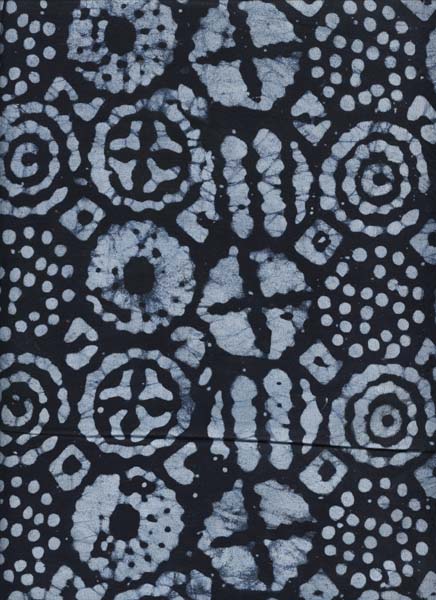
Using indigo as a method of dyeing is for me totally addictive, the magical process of watching the dye oxidise in the air turning from a greeny yellow to blue is akin to alchemy. Pulling your cloth out of the vat on a sunny day, listening to the breeze slap the wet cloths around spattering you with dots of colour and watching the fabrics metamorphosis is a truly magical experience.
Indigo has been used across the world for hundreds of years as a dye substance, it is a plant which looks like a relative of the pea family, I often wonder who was the first person to discover it's potential and how they discovered it.
Indigo blue hands,
image Caroline Lee. www.thruaglassdarkly.com
I think that there can not be one person in the world who does not know indigo blue, used to colour jeans and work clothes for so long.
Indigofera Tinctoria.
Indigo dye vats in Japan.
African indigo.
In the past indigo dyeing used to be a difficult hit and miss process for the craft dyer, but with the advent of synthetic indigo and different additives it is now a lot easier as long as you respect the dye and understand the process. Indigo either natural or synthetic is insoluble, to make it soluble so that it yields up its wonderful colour it must undergo reduction. Reduction is a process of extracting oxygen from the dye bath, making the indigo soluble in the form of a blueish bronze 'flower' on top of a brackish yellow vat streaked with blue.
Indigo 'flower'.
This dye substance will dye cellulose based fibre and protein fibres which have been scoured (washed) by boiling before dyeing. As it is a cold dye bath indigo is excellent for using with resist techniques such as wax and starch, it is also used with many tied and clamped resist techniques.
These are details of a quilt that I made many years ago when I was first experimenting with indigo. It grows more beautiful with age and still snuggles me up every winter.
Dyed threads and wool.
African starch resist.
These designs are printed with the type of blocks shown below.
Print blocks from Ghana.
Indigo then.
And now.
Finally another contemporary use of indigo dyed fabric from textile artist Jenny Bullen.
Indigo Strip. Jenny Bullen. Indigo and rust dyed fabrics hand stitched.